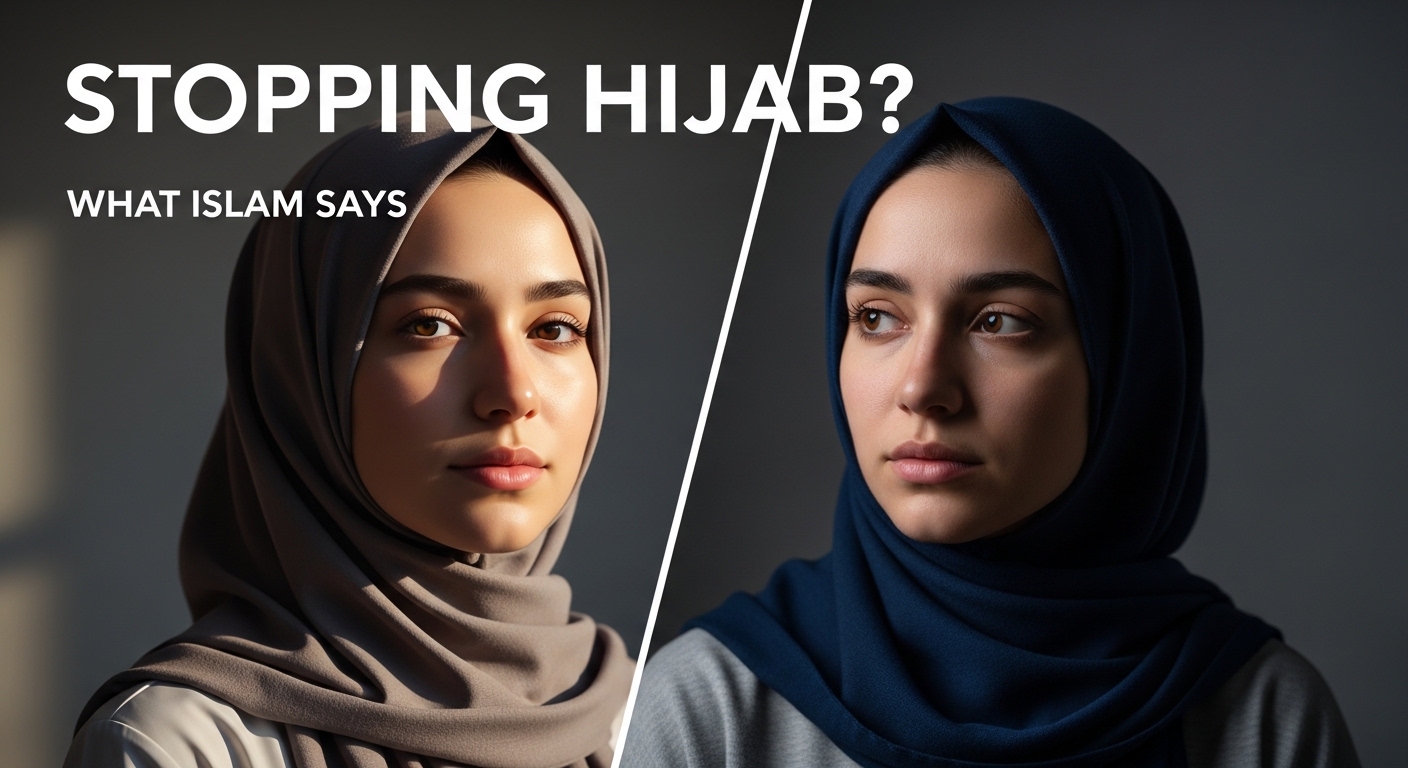
What Happens If a Woman Stops Wearing Hijab? Understanding the Journey
This is one of those conversations that happens in private and rarely in public. Women stop wearing hijab. It happens more than Muslim communities sometimes acknowledge. The reasons span everything from genuine theological doubt to physical discomfort to workplace discrimination. Understanding the real meaning behind wearing hijab makes it easier to understand what is actually lost – and what is not – when someone steps back from it.
The Spiritual Weight of the Decision
Most scholarly opinions hold that abandoning hijab after wearing it constitutes a sin – specifically because it involves knowingly stepping away from an obligation. That is the theological position. What the theological position does not address is the emotional and psychological architecture of why women reach that point. Citing the ruling without engaging the circumstances helps no one.
Women who have worn hijab for years and then stop often describe a specific kind of grief about it – not freedom, as the narrative outside Muslim spaces sometimes assumes. A sense of distance from their own practice. That experience deserves honesty, not dismissal in either direction.
What Actually Drives Women to Stop
Comfort and Climate
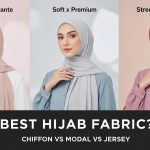
This one sounds shallow until you have spent a 38-degree afternoon in a polyester hijab that traps heat like a greenhouse. Physical discomfort compounds over thousands of days. A woman who lives in a hot climate and has never found a fabric that genuinely breathes is not failing spiritually – she is failing practically, and that gap is solvable. The guide on lightweight hijabs that work in the heat addresses this directly with fabric comparisons most modest fashion content glosses over.
Modal and cotton blends made the difference for several women I know personally. Not dramatic, not revolutionary – just functional enough to stop being a daily source of discomfort.
Style and Identity Fit
Some women stop because they cannot find a way to wear hijab that feels like them. The version of modest dress available does not match their aesthetic identity – and rather than compromise indefinitely, they step away. This is a solvable problem the modest fashion industry has only started seriously addressing in the last decade. Good hijab styling tips for beginners go a long way toward closing that gap early, before frustration calcifies into a decision.
Renewing the Intention
Islamic scholars consistently point to the concept of tawbah – sincere return. There is no point of no return in this framework. A woman who has stopped wearing hijab and wants to return faces no permanent barrier in Islamic theology. The barrier is almost always practical or psychological, not theological. Finding a community of women who wear hijab positively, without judgment or performance, helps more than any lecture.
Sometimes the barrier is purely practical. The right fabric, the right fit, the right style makes consistency a lot easier. The easy-to-wear styles at Hijabo are chosen specifically for women who need the practical barrier lowered, not the spiritual bar.
Sometimes the barrier is purely practical. The right fabric, the right fit, the right style makes consistency a lot easier.
Finding a Community That Helps
Isolation makes the struggle harder. Women who have strong social circles of other hijab-wearing women report significantly fewer incidents of stopping – not because of peer pressure, but because hijab feels normal rather than exceptional. When every woman around you is navigating the same daily decisions, those decisions stop feeling like personal battles. Online communities have expanded this dramatically, connecting women across geographic contexts who would previously have had no access to each other’s experiences and practical solutions.
The practical support from these communities – fabric recommendations, styling finds, product discoveries that nobody writes about in formal guides – is where most genuinely useful modest fashion knowledge actually lives.