The Ultimate Hijab Fabric Guide: Finding Your Perfect Match
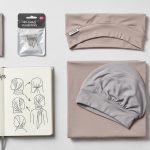
The single decision that affects daily hijab comfort more than any styling technique or pin configuration: fabric. Get it wrong and every day is a quiet battle. Get it right and the hijab disappears from your attention – it just works. This guide covers the three fabrics dominating the modest fashion market – chiffon, jersey, and modal – with the practical detail that most vague product descriptions deliberately avoid. Make sure you also know which hijab accessories that work with every fabric complete your setup.
Why Fabric Changes Everything
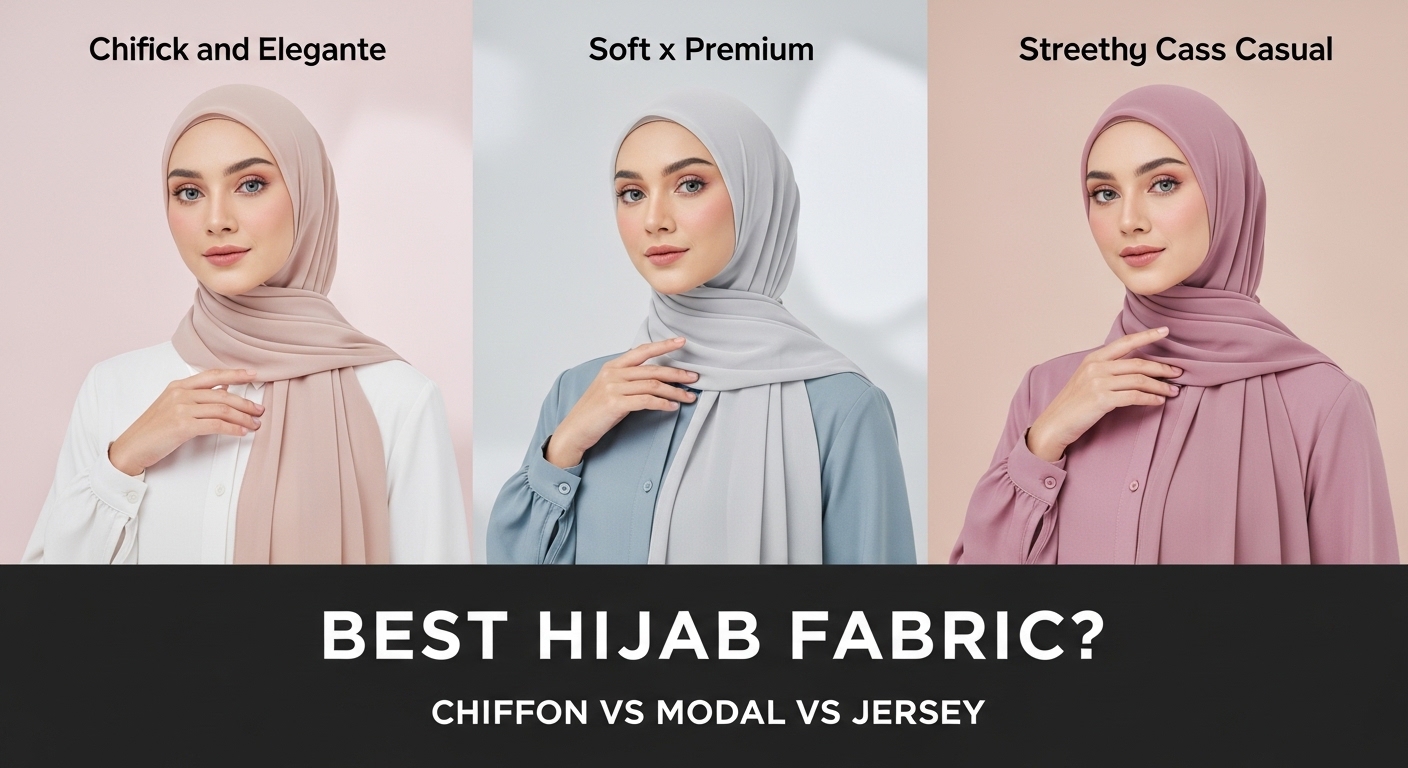
Fabric governs how a hijab drapes, how long it stays in place, how much heat it retains, how it behaves after washing, and how it photographs. Two hijabs in the same color and cut will look and feel completely different depending on fiber content. A chiffon hijab at a wedding photographs beautifully – that same piece in a humid August afternoon is a different story. Jersey in that same afternoon is perfectly functional. Jersey at a formal event can look underdressed unless styled with serious intention. Context drives the call, and understanding the properties of each fabric gives you the ability to make that call confidently instead of guessing.
Chiffon: When Drape Is the Point
Chiffon is a lightweight, sheer woven fabric – originally silk, now predominantly polyester or polyester-silk blends in the modest fashion market. Its defining quality is the way it falls: in soft, fluid folds that photograph elegantly and move gracefully. For formal occasions, Eid, weddings, and any setting where presence matters, chiffon is the obvious choice.
The limitations are real. Single-layer chiffon is transparent – which technically fails the opacity condition of proper hijab unless worn over an undercap with a darker inner layer. It slips. It requires pins or magnets to hold any shape. In hot weather, synthetic chiffon traps heat in a way that turns a beautiful drape into hours of discomfort. Buy double-layer construction when you can. Shop premium chiffon hijabs from our collection if you want opacity without sacrificing the drape that makes chiffon worth wearing.
Jersey: The Daily Workhorse
Jersey is a knit fabric with built-in stretch. It does not slip, does not require aggressive pinning, and holds shape through hours of activity without constant readjustment. For first-time wearers, daily-wear situations, active days, travel, and any context where you need the hijab to stay put and stay off your mind – jersey is the correct answer. I have seen women switch from chiffon to jersey for daily wear and describe it as the most practical wardrobe decision they have made in years.
The tradeoff: jersey photographs heavier than chiffon, sits more casually, and does not suit formal settings without careful styling. Viscose jersey handles warmth better than polyester jersey – cooler, softer, and less prone to the synthetic heat that becomes uncomfortable by midday. Browse jersey hijabs in viscose and modal blends if warmth is your primary concern.
Modal: Soft, Breathable, Worth the Price
Modal is a semi-synthetic fiber derived from beech tree pulp. It is softer than cotton, more breathable than polyester, and has a natural sheen that gives it a more polished appearance than basic jersey without the fragility of chiffon. The fiber structure allows it to wick moisture more effectively than either of the other two options – the specific reason it has become the go-to fabric for hot-climate hijab wear. Modal costs more than jersey. That is the honest tradeoff. But if your climate runs hot for eight months of the year, the per-wear cost calculation looks different. Shop modal hijabs if breathability is the non-negotiable.
Matching Fabric to Season
Winter calls for jersey or heavier woven fabrics – the slight warmth is a feature. Spring and autumn are generalist seasons where any fabric works and the choice comes down to occasion. Summer is modal and lightweight cotton territory. Chiffon works in summer only if it is genuinely lightweight and you are moving between air-conditioned spaces. For the warm-weather breakdown with specific fabric weights, the post on best hijab fabrics for summer heat goes deeper than this overview can.
Caring for Your Hijabs So They Last
Chiffon: hand wash cold, hang dry only, never wring. Jersey: machine wash gentle, reshape while damp, avoid tumble drying viscose blends as they shrink. Modal: hand wash preferred, or machine on delicate at 30 degrees maximum – heat damages modal fiber structure faster than chiffon or jersey. Store all hijabs flat or rolled, never folded on hard creases, and you extend the life of every piece by at least a season. For hijab styling tips that protect your fabric while keeping your look together, the beginner guide covers pinning techniques that prevent snags and fabric stress.