Essential Hijab Accessories: Undercaps, Pins and Magnets
The hijab gets all the attention. The accessories are what actually make it work. A beautiful chiffon hijab on a slippery undercap with the wrong pins is a 20-minute adjustment session waiting to happen. Understanding how fabric type affects accessory choice is the starting point – because the undercap and pin system that works perfectly for jersey may actively damage chiffon.
What Actually Holds a Good Hijab Together
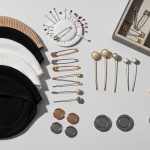
Three elements work in sequence: the undercap creates friction against the scalp, pins or magnets anchor structural points of the wrap, and fabric tension from the drape itself maintains shape between those anchor points. Remove any one element and the system degrades. Most women focus entirely on pins and completely ignore the undercap friction layer – which explains why so many women describe needing “a lot of pins” to keep their hijab in place. The pin count is a symptom of a missing grip layer, not a pinning technique problem.
Fix the undercap. Then reassess how many pins you actually need.
Undercaps: The Foundation Layer
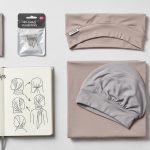
Undercaps come in two primary forms: tube caps (pull-on, no tie, stretchy) and tie-back caps (adjustable at the nape for a more secure fit). Tube caps are the most common and suit most head sizes due to their stretch. Tie-back caps give a flatter silhouette at the back, which matters for styles where the back line is visible through the outer hijab. Both are available as tube and tie-back undercaps from our accessories range.
Material matters as much as form. Cotton undercaps for daily and summer wear. Velvet-lined or cotton-velvet blend for maximum grip when working with slippery fabrics like chiffon or satin. Avoid thick polyester undercaps in warm climates – they trap heat and defeat the purpose of choosing a breathable outer fabric.
Hijab Magnets vs. Traditional Pins
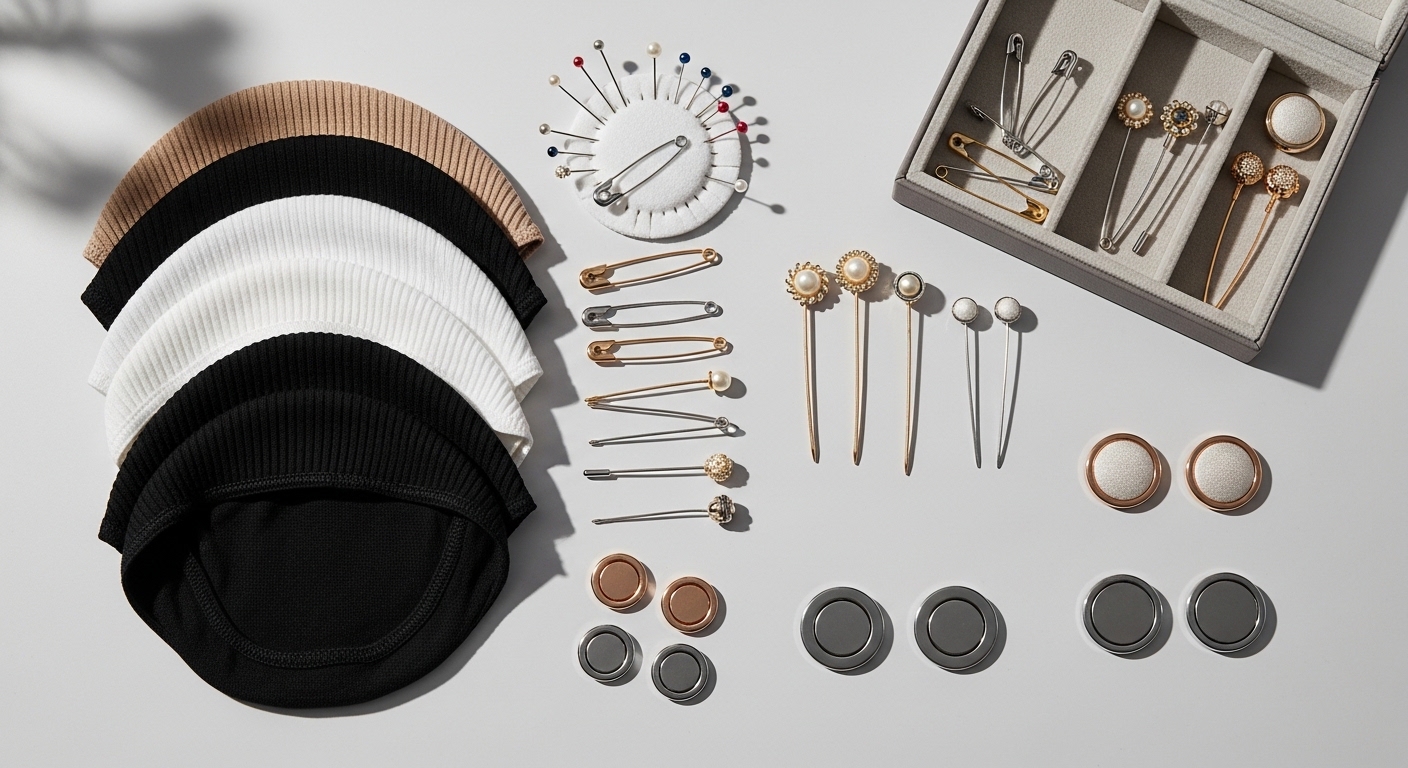
This debate has a clear answer for anyone who has used both. Traditional pins work. They also snag fabric, require two-handed application, occasionally open unexpectedly, and feel like a minor obstacle every single morning. Magnets close in one touch, hold without any fabric penetration, and remove just as fast. For styling techniques where magnets matter most, the beginner guide covers the specific wrapping methods where magnetic closures outperform pins structurally.
Why Snag-Free Magnets Win on Delicate Fabrics
Chiffon, georgette, and fine modal can all be damaged by traditional pins over time. The pin creates a small puncture each use. Multiply that by 300 days of wear and you have visibly worn fabric with small pulls and holes concentrated at pin points. Snag-free magnets sit on either side of the fabric with no penetration – the outer face stays completely intact regardless of how many times you use them. Shop strong hijab magnets that hold through an active day without the weight cheaper magnets need to achieve the same grip strength.
Snag-free magnets are the one accessory most beginners discover too late. Saves your chiffon, saves your patience.
Volumizing Scrunchies for Fuller Styles
For styles that require volume at the back of the head – the bun-under-hijab look, fuller drapes, or silhouettes that avoid the flat-back appearance – a volumizing scrunchie or hijab donut sits at the nape under the outer fabric and creates that fullness without pinning layers on top of each other. Fabric-covered scrunchies cause less snagging than bare elastic. The diameter of the scrunchie determines the volume size – smaller for subtle fullness, larger for dramatic draped styles common at weddings and formal occasions.
Storing and Caring for Your Accessories
Magnets stored loose in a drawer attract metal dust and lint that clogs the magnetic face and reduces holding strength. Keep them capped or in a small pouch. Pins stored loose inevitably end up opened at the bottom of a bag – a small pin roll or magnetic strip keeps them organized and safe. Undercaps need washing as frequently as the hijabs themselves, sometimes more often in summer given direct scalp contact. Hand wash cold, reshape while damp, and air dry flat to maintain the cap structure through hundreds of wears.